×

Windsor Words
November 2025

PRINCIPAL'S NEWS
Dear Parents and Carers,
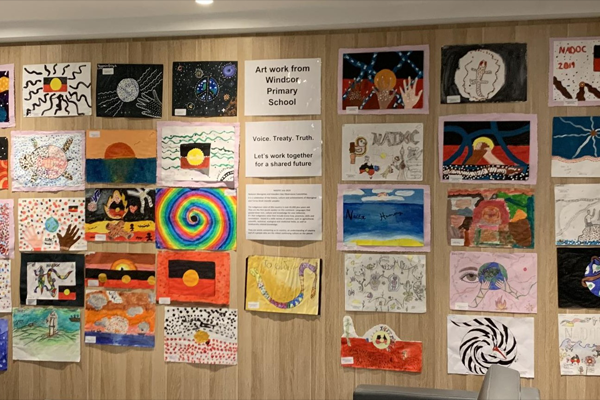
This week the Department of Education released an updated version of its Preventing Racism in Schools policy. The policy is built around the three actions of prevention, responding and reporting.
At Windsor Primary School we value the diversity of culture, ethnicity, and faith of all our students. We are proud of our diversity, and everyone is welcome at our school.
Celebrating the diversity of our community makes us stronger, kinder and more innovative. We are committed to making sure that students from all backgrounds feel accepted, supported and able to learn.
We teach all students according to our school values and teach the respectful relationships framework. This includes education around diversity and inclusion.
To achieve our values and aims, everyone at Windsor plays an important role.
This week at assembly, I will be reminding students of our values and the importance of using these in everything we do and that if we do any form of discrimination
Respect - Caring for other people, their thoughts, feelings and belongings
Responsibility - Owning our choices, actions & personal growth
Ethics - Treating others the way we want to be treated and accepting differences
Courage -Taking risks in my learning and standing up for others
Determination - Never giving up, willing to try again, accepting small wins and having a growth mindset
To help us make Windsor a place where everyone feels welcome, respected and supported, we encourage you to also speak to your child about these values, as well as the importance of:
- understanding that we celebrate diversity and multicultural inclusion
- understanding the importance of everyone at school being treated with respect.
For access to the policy please use the provided link or visit the policy page on the school website – Preventing Racism in Primary Schools.
For more information, please see Racism: talking with children and teens, Raising Children Network.
This week the Department of Education released an updated version of its Preventing Racism in Schools policy. The policy is built around the three actions of prevention, responding and reporting.
At Windsor Primary School we value the diversity of culture, ethnicity, and faith of all our students. We are proud of our diversity, and everyone is welcome at our school.
Celebrating the diversity of our community makes us stronger, kinder and more innovative. We are committed to making sure that students from all backgrounds feel accepted, supported and able to learn.
We teach all students according to our school values and teach the respectful relationships framework. This includes education around diversity and inclusion.
To achieve our values and aims, everyone at Windsor plays an important role.
This week at assembly, I will be reminding students of our values and the importance of using these in everything we do and that if we do any form of discrimination
Respect - Caring for other people, their thoughts, feelings and belongings
Responsibility - Owning our choices, actions & personal growth
Ethics - Treating others the way we want to be treated and accepting differences
Courage -Taking risks in my learning and standing up for others
Determination - Never giving up, willing to try again, accepting small wins and having a growth mindset
To help us make Windsor a place where everyone feels welcome, respected and supported, we encourage you to also speak to your child about these values, as well as the importance of:
- understanding that we celebrate diversity and multicultural inclusion
- understanding the importance of everyone at school being treated with respect.
For access to the policy please use the provided link or visit the policy page on the school website – Preventing Racism in Primary Schools.
For more information, please see Racism: talking with children and teens, Raising Children Network.
CALENDAR DATES
Important Dates

We have already started planning for our transition sessions and thinking towards the 2026 school year.
Simply drop your completed form into the office, email it to windsor.ps@education.vic.gov.au or give us a call if you have any questions. When submitting your child's enrolment form, please also include a copy of your child's birth certificate/passport, immunisation records and VISA (if applicable).
Looking forward to hearing from you soon and welcoming your child to our school family in 2026.
This information is crucial for our class planning and helps us ensure we can provide the best possible learning environment for all students next year.
Intention forms for 2026 were sent home with students, you can also email the office or drop in a note by Friday 17 October.
A reminder that staff supervision in the morning does not begin until 8:45am. Students arriving before 8:45am without parent supervision are required to be booked into the WPS Breakfast Activities Club, which runs from 7:30am - 8:45am everyday. Students must be pre-booked to attend. The cost is $10.75 per session per child and includes breakfast and activities.
Bookings can be made via the QR code

or the following website: https://www.trybooking.com/CNWMT
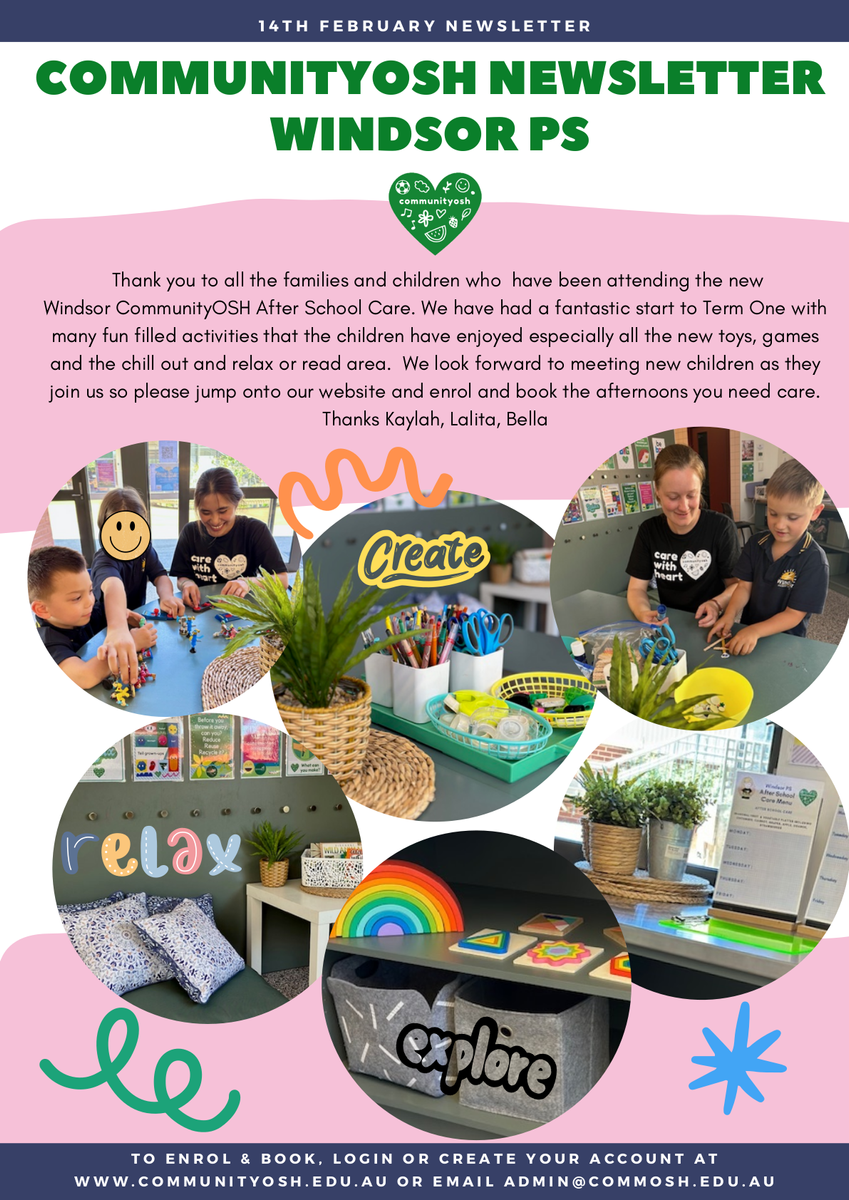
Our After School provider is Community OSH, which runs from 3:30pm - 6:00pm.
To book your child/ren visit www.commosh.edu.au
Please ensure that your child is dressed in correct school uniform before they leave the house in the morning.
School uniform order forms need to be completed with payment and returned to the office either by your child or via e-mail at windsor.ps@education.vic.gov.au
School Uniform Order Form
Lunch orders are available on Mondays and Fridays.
Please remember all orders must be placed online before 9:00am at beaverstail.com.au
Lunch Order Menu
A special mention goes to Michael and Ana from Otakoi Ukrainian Restaurant on Chapel Street for generously donating a delicious Medivnyk - Honey Cake. It was such a hit that it sold out completely!
All funds raised will go towards future Year 6 events, including graduation celebrations and Year 6 jumpers for 2026.
Thank you so much for your incredible support—we couldn’t do it without you!
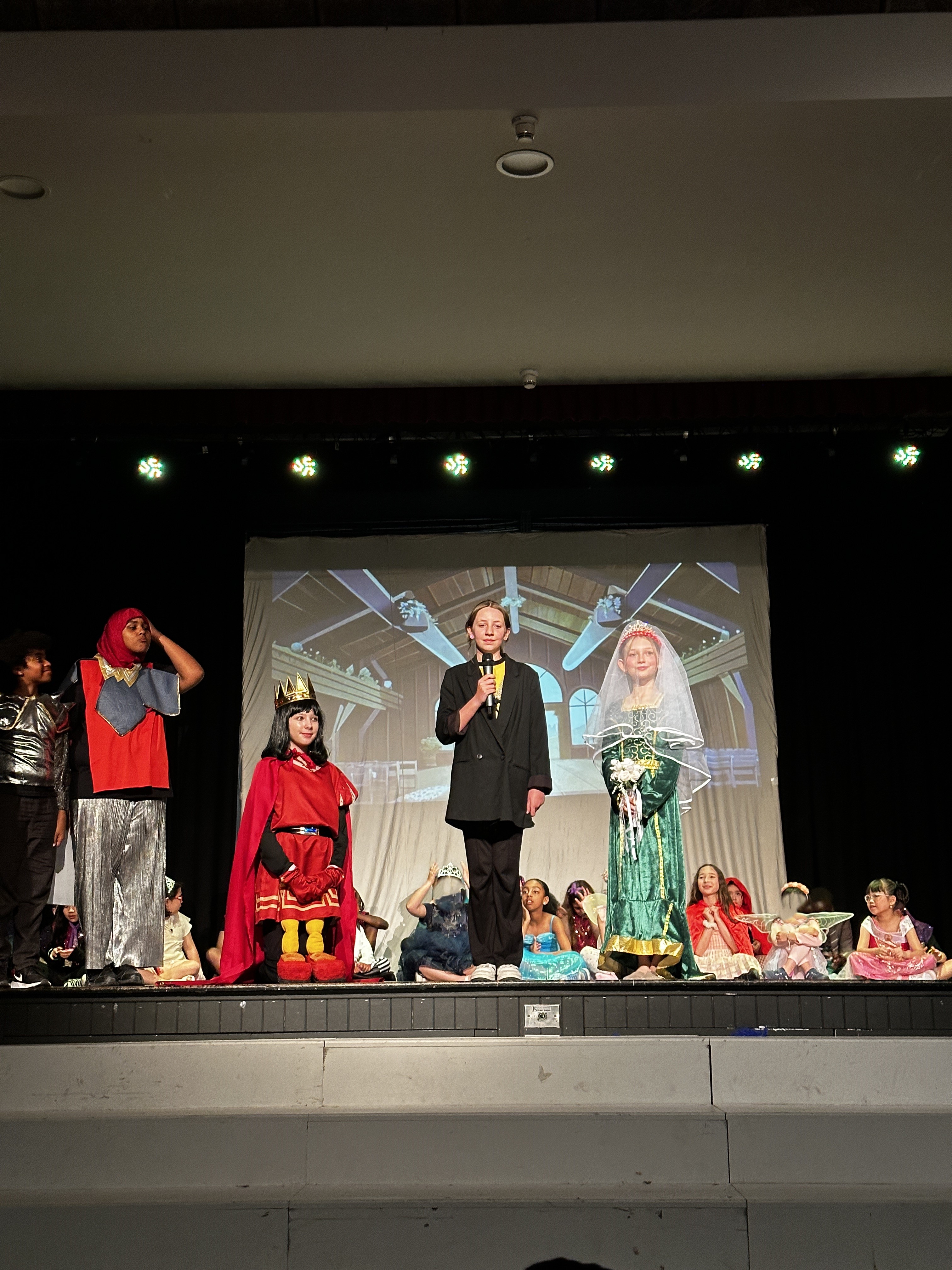
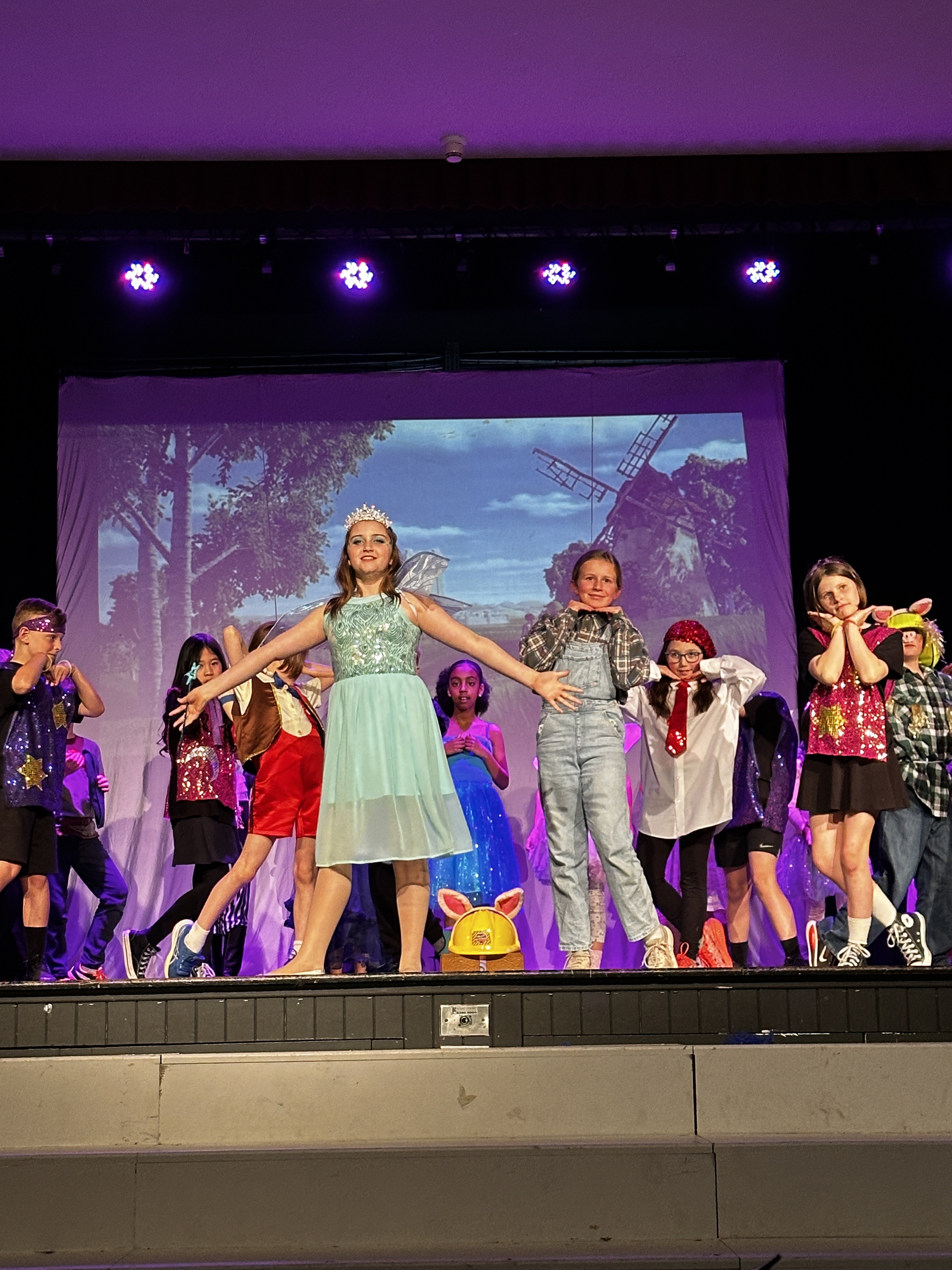
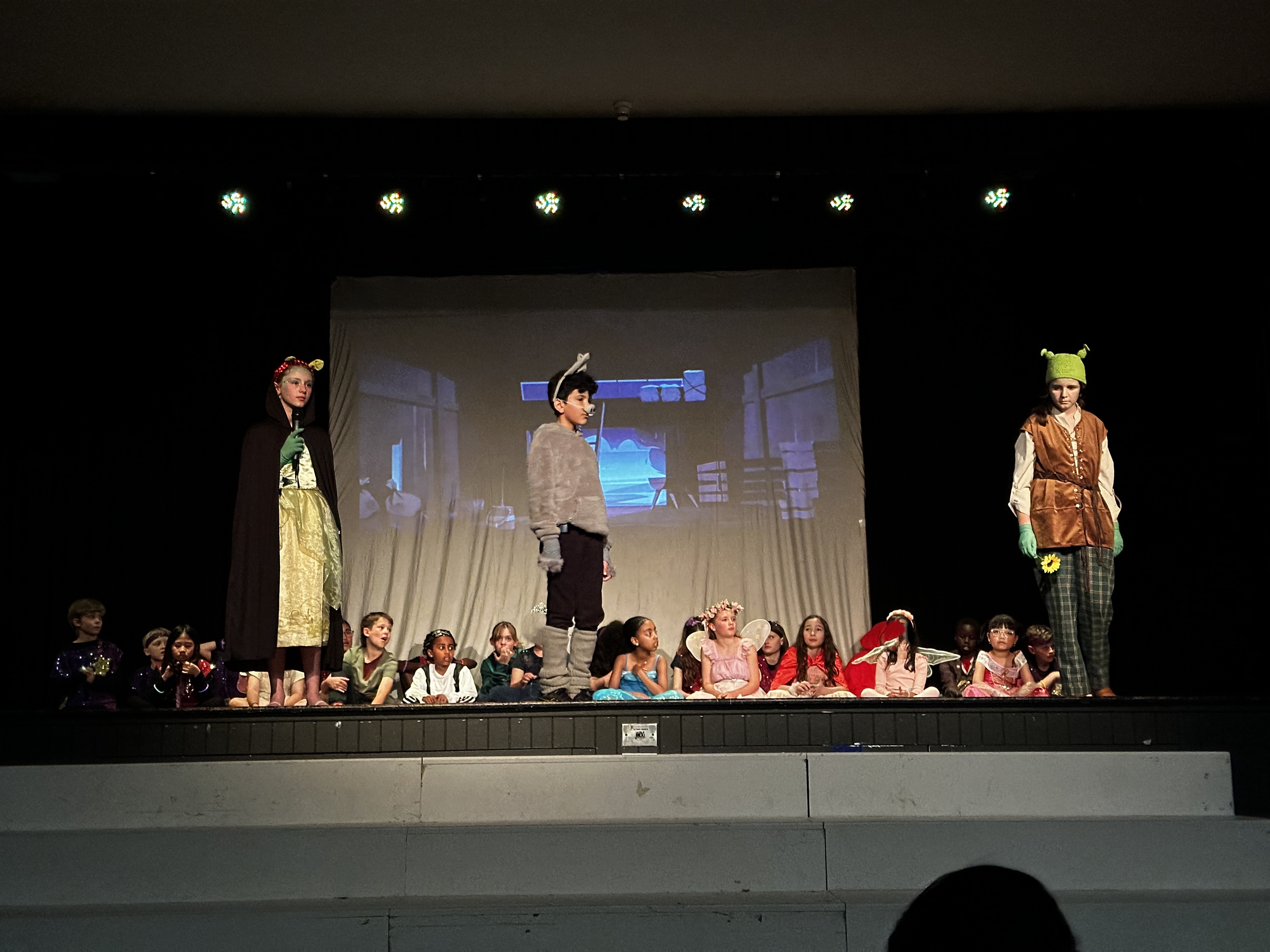
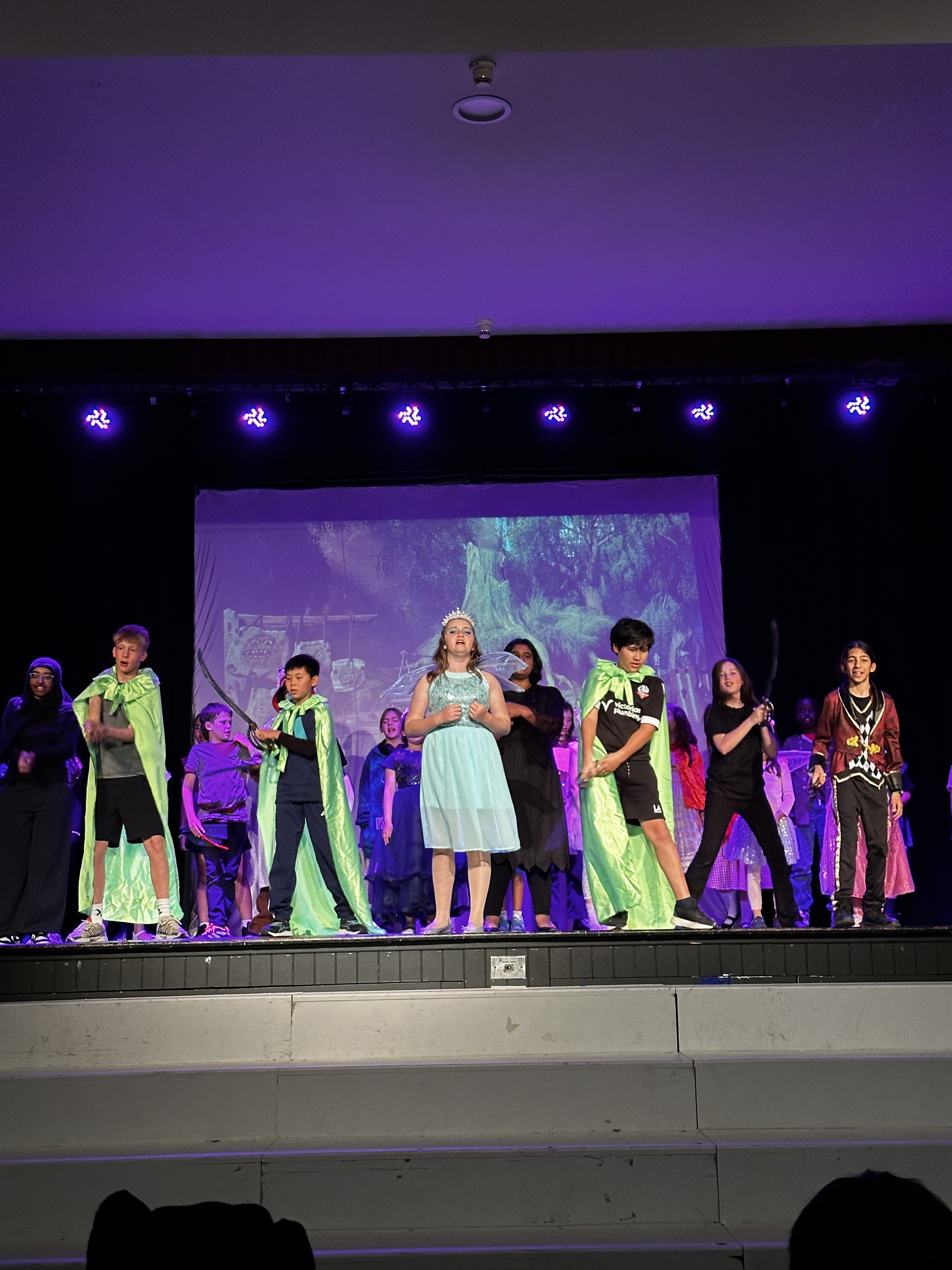
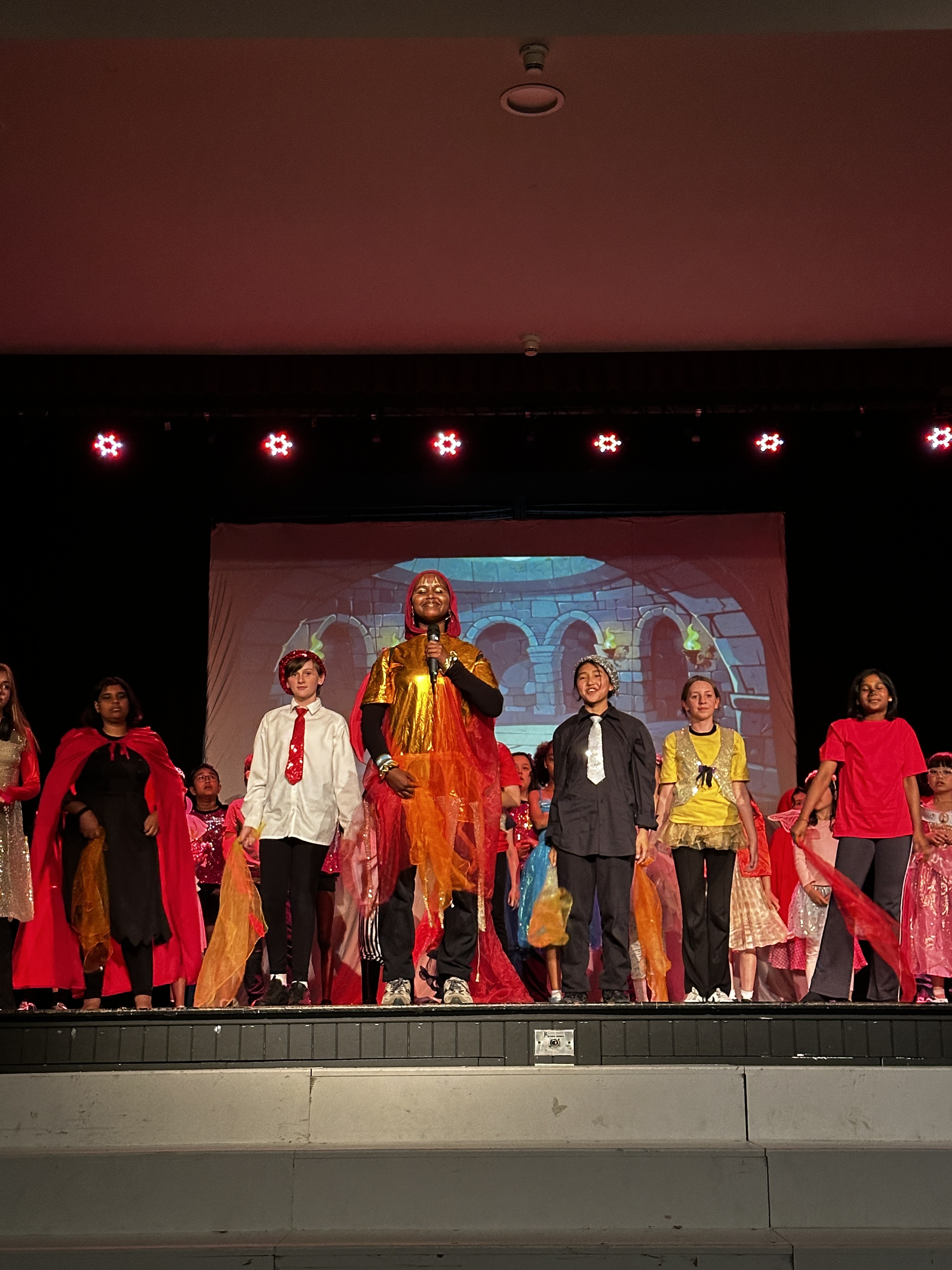
The performances from all our students were absolutely brilliant, showcasing such talent, enthusiasm, and teamwork on display. A huge thank you to everyone who helped make it a success, and especially to Catherine McGarrity for producing yet another spectacular school production at Windsor Primary School.



- Melbourne Cup
Date: November 03, 2026
Time: All Day
- Whole School Swimming Program @ St Mary's College - Swimable
Date: November 10, 2026
Time: 11:30am - 03:30pm
- Off To School - Session 1
Date: November 12, 2026
Time: 09:15am - 10:00am
- Whole School Swimming Program
Date: November 17, 2026
Time: 11:30am - 03:30pm
- Off To School - Session 2
Date: November 19, 2026
Time: 09:15am - 10:00am
- Off To School - Session 3
Date: November 26, 2026
Time: 09:15am - 10:00am
- Off To School - Session 4
Date: December 03, 2026
Time: 09:15am - 10:00am
- Yr 3-6 School Camp
Date: December 09, 2026
Time: All Day
- Last Day of Term 4 - Students dismissed @ 1:30pm
Date: December 18, 2026
Time: 09:00am - 01:30pm
WINDSOR INFORMATION
Foundation 2026 Enrolments
As we begin planning for what promises to be another wonderful year, we'd love to hear from any families who are still finalising their Prep 2026 enrolment.We have already started planning for our transition sessions and thinking towards the 2026 school year.
Simply drop your completed form into the office, email it to windsor.ps@education.vic.gov.au or give us a call if you have any questions. When submitting your child's enrolment form, please also include a copy of your child's birth certificate/passport, immunisation records and VISA (if applicable).
Looking forward to hearing from you soon and welcoming your child to our school family in 2026.
Intentions for 2026
As we begin planning for the 2026 school year, we need to know if your family is relocating to a new school, state, or country for 2026.This information is crucial for our class planning and helps us ensure we can provide the best possible learning environment for all students next year.
Intention forms for 2026 were sent home with students, you can also email the office or drop in a note by Friday 17 October.
Recognising Anxiety in Children: A parent's guide in the face of rising childhood anxiety
By Michael Hawton, Child Psychologist (MAPS) and Parentshop founder.
As a psychologist who has worked with families for over thirty years, I've witnessed firsthand the sharp rise in childhood anxiety that's sweeping across Australia. What once seemed like isolated cases have now become the norm in many households and classrooms. The recent work by Professor Patrick McGorry and his colleagues in The Lancet Psychiatry Commission paints a stark picture: we're facing a mental health crisis among our young people that has reached what they describe as a "dangerous phase."[1]
McGorry's research reveals that the mental health of emerging adults in Australia has been declining steadily for the past two decades, with anxiety disorders at the forefront of this troubling trend. The COVID-19 pandemic and global megatrends—including social media pressures, climate anxiety, and economic uncertainty—have further accelerated this decline.¹ As parents, this means we must become more adept at recognising the early signs of anxiety in our children before these patterns become entrenched.
Before we dive into identification, it's essential to understand that anxiety exists on a spectrum. We must be careful not to pathologize every worried thought or nervous moment our children experience and be cautious of the language we use around children. The term ‘anxiety’ is becoming more common in everyday language and that can result in children using it in their self-talk, their internal dialogue – ‘I’m feeling anxious today’,” I can’t do it, I’m too anxious’. Normal developmental anxiety—such as a child worrying about a school test or feeling nervous before a performance actually serves an important purpose in building resilience, and gives them experience of overcoming worrying times.
However, when anxiety becomes persistent, interferes with daily functioning, and causes significant distress, we're looking at something that requires intervention. The key distinction lies in whether the anxiety is proportionate to the situation and whether it's preventing your child from engaging in age-appropriate activities.
Early childhood and early primary (Ages 3-6)
Young children often express anxiety through their behaviour rather than words. Look for sudden clinginess when separation was previously manageable, frequent complaints of tummy aches or headaches without medical cause, and regression in behaviours they've already mastered (such as toilet training or sleeping independently). These children might also develop intense fears of imaginary threats or become unusually upset by changes to routine.
Primary school years (Ages 7-12)
School-aged children may begin to articulate their worries more clearly, often focusing on academic performance or social acceptance. You might notice excessive worry about being "perfect," avoidance of school activities or social situations, and physical complaints that seem to coincide with stressful events. These children often seek repeated reassurance about everyday situations and may struggle with decision-making.
Children's bodies often tell the story before their words do. Persistent headaches, stomach complaints, muscle tension, and sleep disturbances are common physical manifestations of anxiety. Emotionally, you might observe heightened reactivity—what seems like an overreaction to minor setbacks, increased irritability, or sudden tearfulness over seemingly small issues.
Pay particular attention to avoidance behaviours. When children consistently dodge activities, they once enjoyed, refuse to attend social gatherings, or resist going to school, anxiety may be the underlying culprit. These patterns often develop gradually, making them easy to miss until they become entrenched.
Next article: Responding to Anxiety in Children: What you can do as a parent
References:
- McGorry, P.D., Mei, C., Dalal, N., et al. (2024). The Lancet Psychiatry Commission on youth mental health. The Lancet Psychiatry, 11(9), 731-774.
- Healthdirect Australia: https://www.healthdirect.gov.au/anxiety-in-children
- Royal Children's Hospital Melbourne: https://www.rch.org.au/anxiety/
- Parentshop Parent resources: https://www.parentshop.com.au/for-parents/
- Australian Psychological Society – Find a psychologist: https://psychology.org.au/find-a-psychologist
WPS Breakfast Activities Club
A reminder that staff supervision in the morning does not begin until 8:45am. Students arriving before 8:45am without parent supervision are required to be booked into the WPS Breakfast Activities Club, which runs from 7:30am - 8:45am everyday. Students must be pre-booked to attend. The cost is $10.75 per session per child and includes breakfast and activities. Bookings can be made via the QR code
or the following website: https://www.trybooking.com/CNWMT
After School Care
Our After School provider is Community OSH, which runs from 3:30pm - 6:00pm.To book your child/ren visit www.commosh.edu.au
School Uniform
Please ensure that your child is dressed in correct school uniform before they leave the house in the morning.School uniform order forms need to be completed with payment and returned to the office either by your child or via e-mail at windsor.ps@education.vic.gov.au
School Uniform Order Form
Lunch Orders
Lunch orders are available on Mondays and Fridays.Please remember all orders must be placed online before 9:00am at beaverstail.com.au
Lunch Order Menu
CLASSROOM NEWS
A huge thank you from 5/6A!
We’d like to give a big shout-out to all the amazing parents who ran the food stall at the Swamp Diaries performance last week. Your effort made the evening extra special!A special mention goes to Michael and Ana from Otakoi Ukrainian Restaurant on Chapel Street for generously donating a delicious Medivnyk - Honey Cake. It was such a hit that it sold out completely!
All funds raised will go towards future Year 6 events, including graduation celebrations and Year 6 jumpers for 2026.
Thank you so much for your incredible support—we couldn’t do it without you!
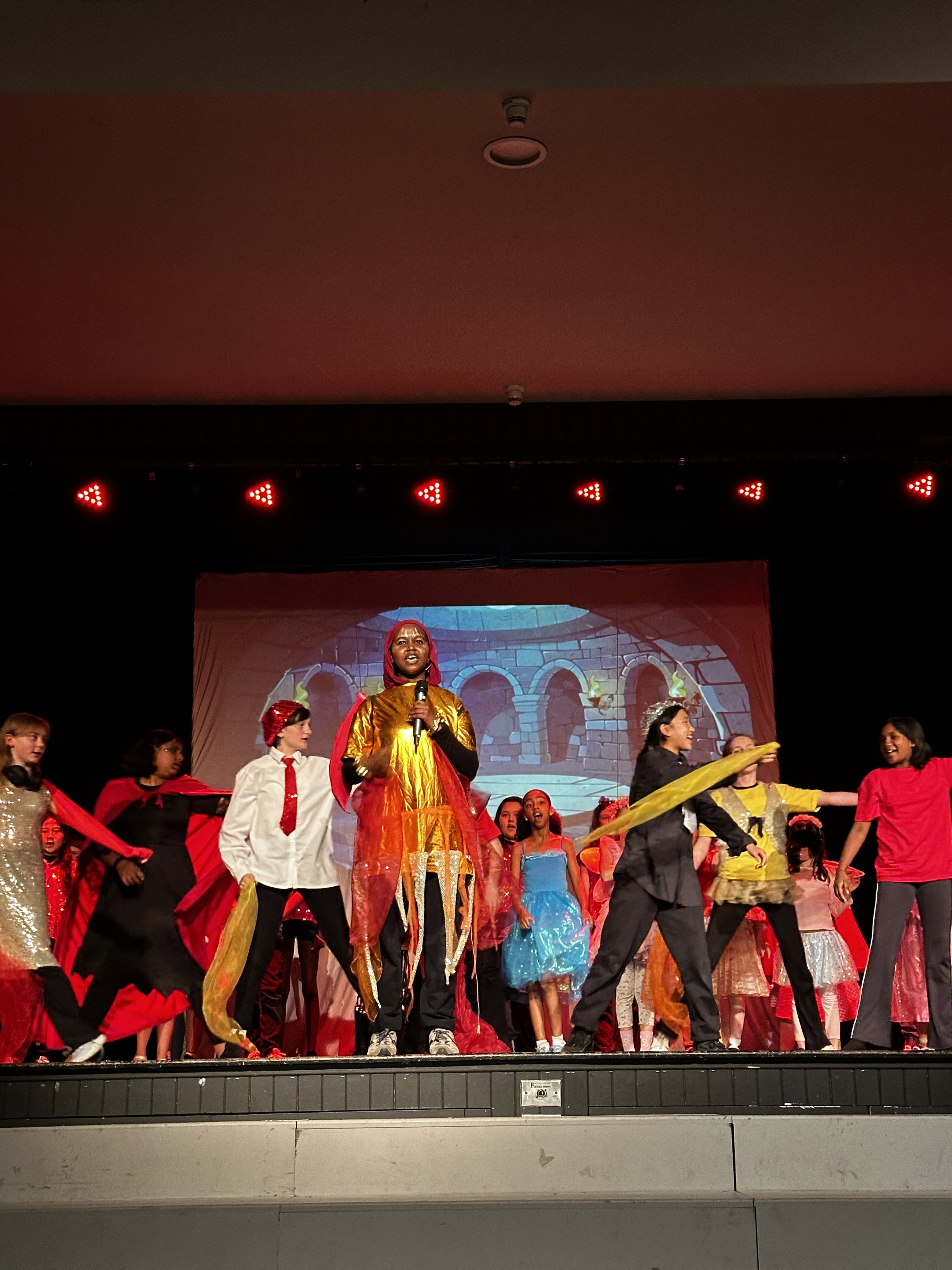
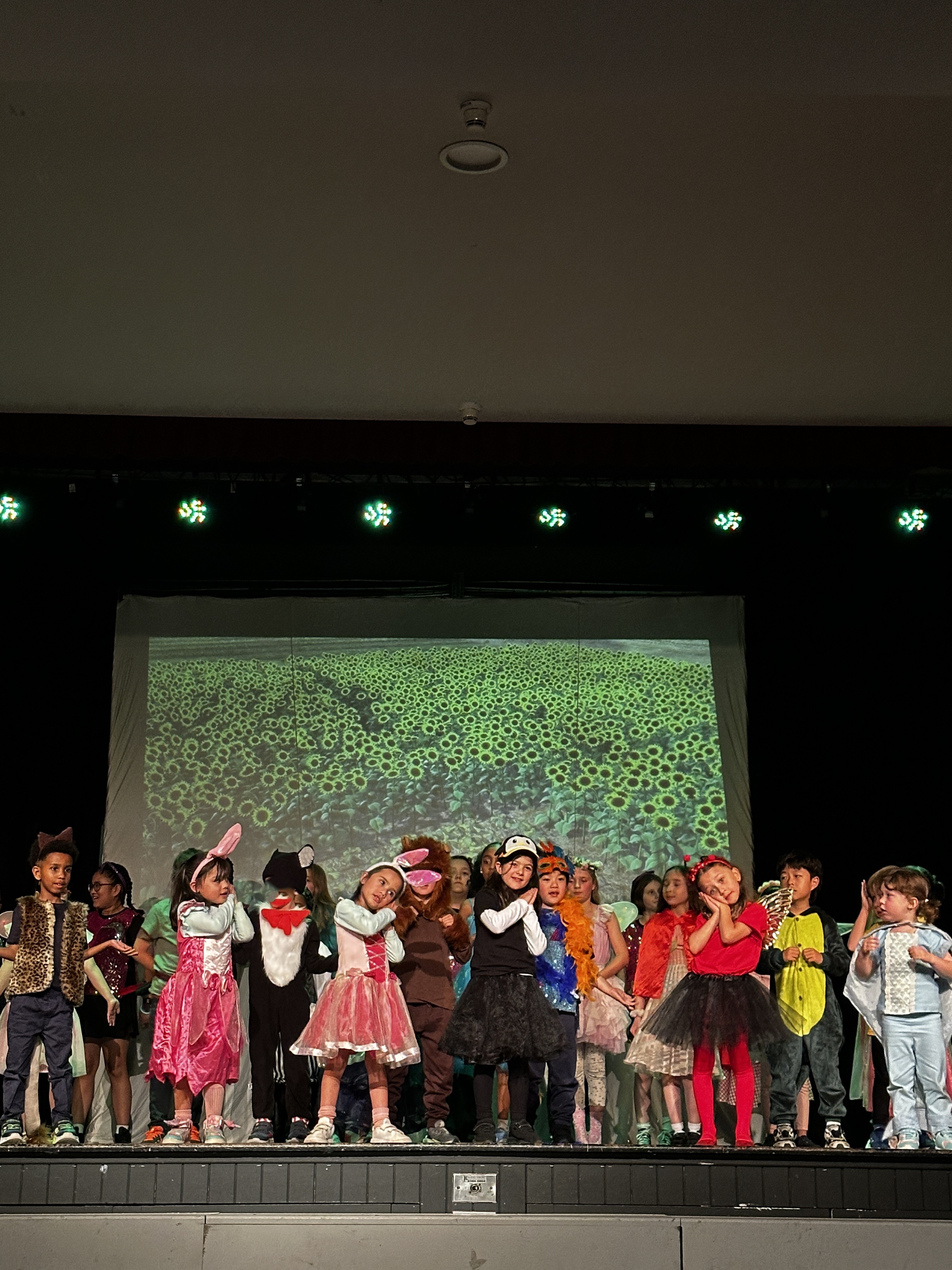
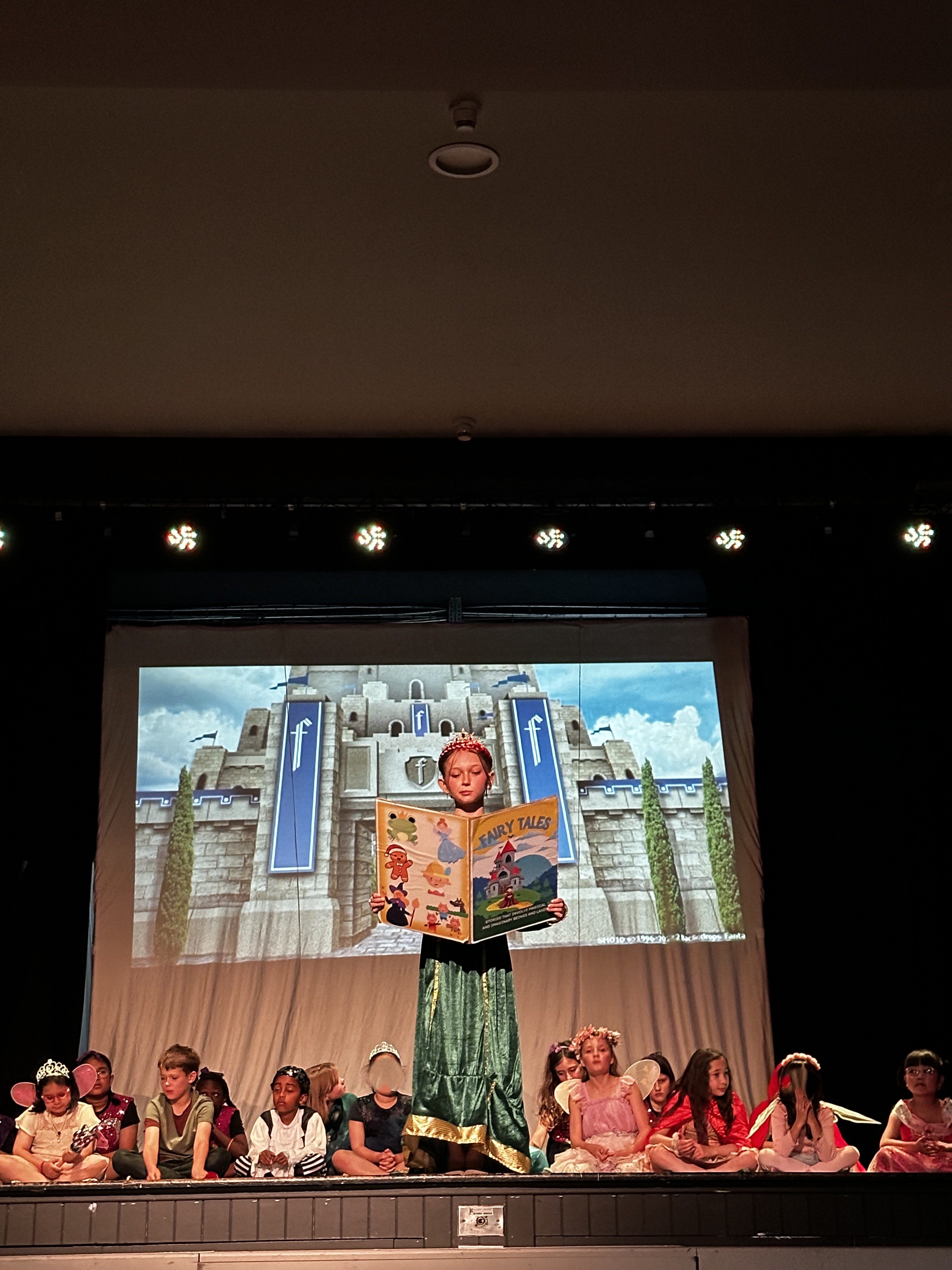
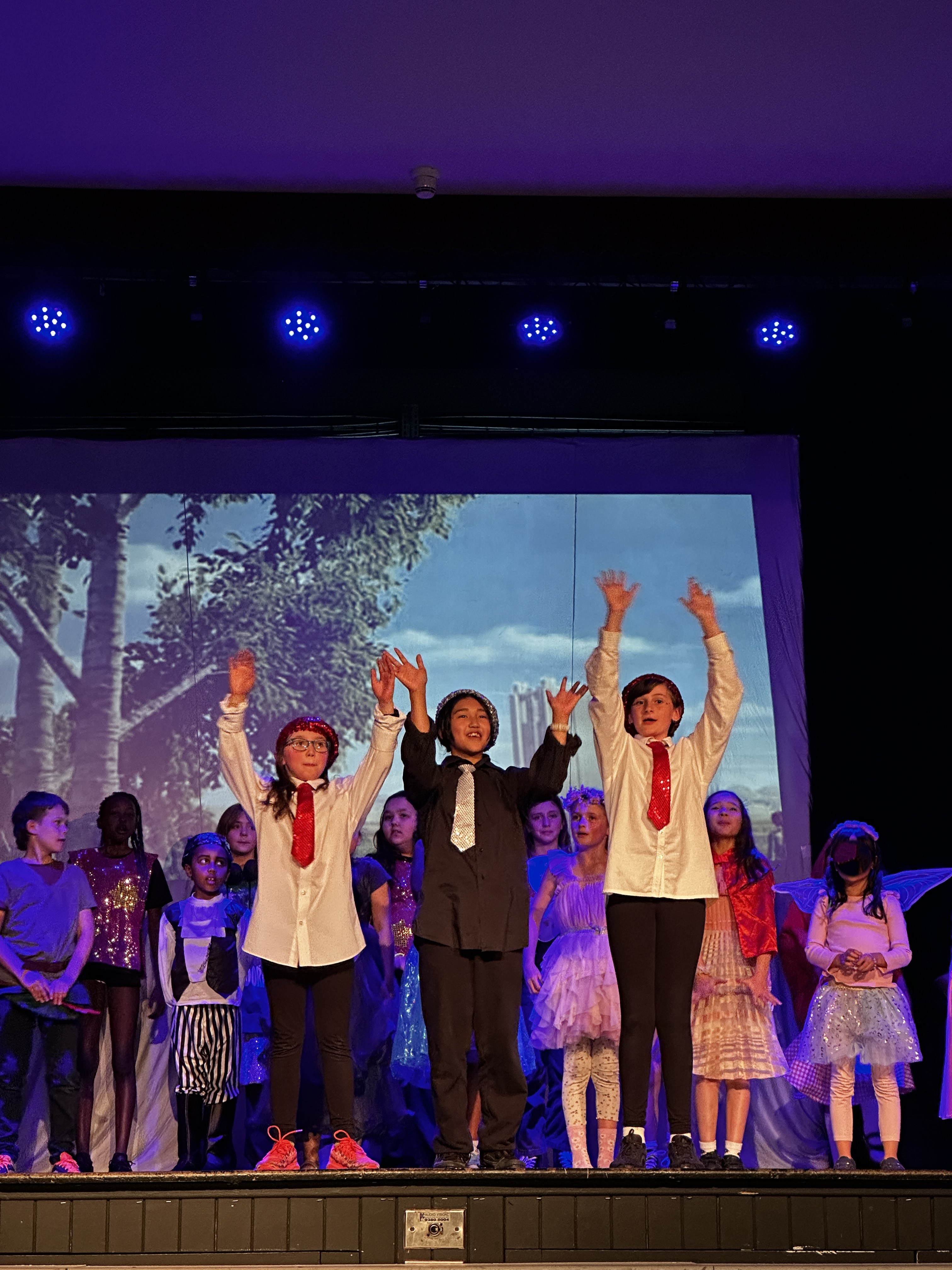
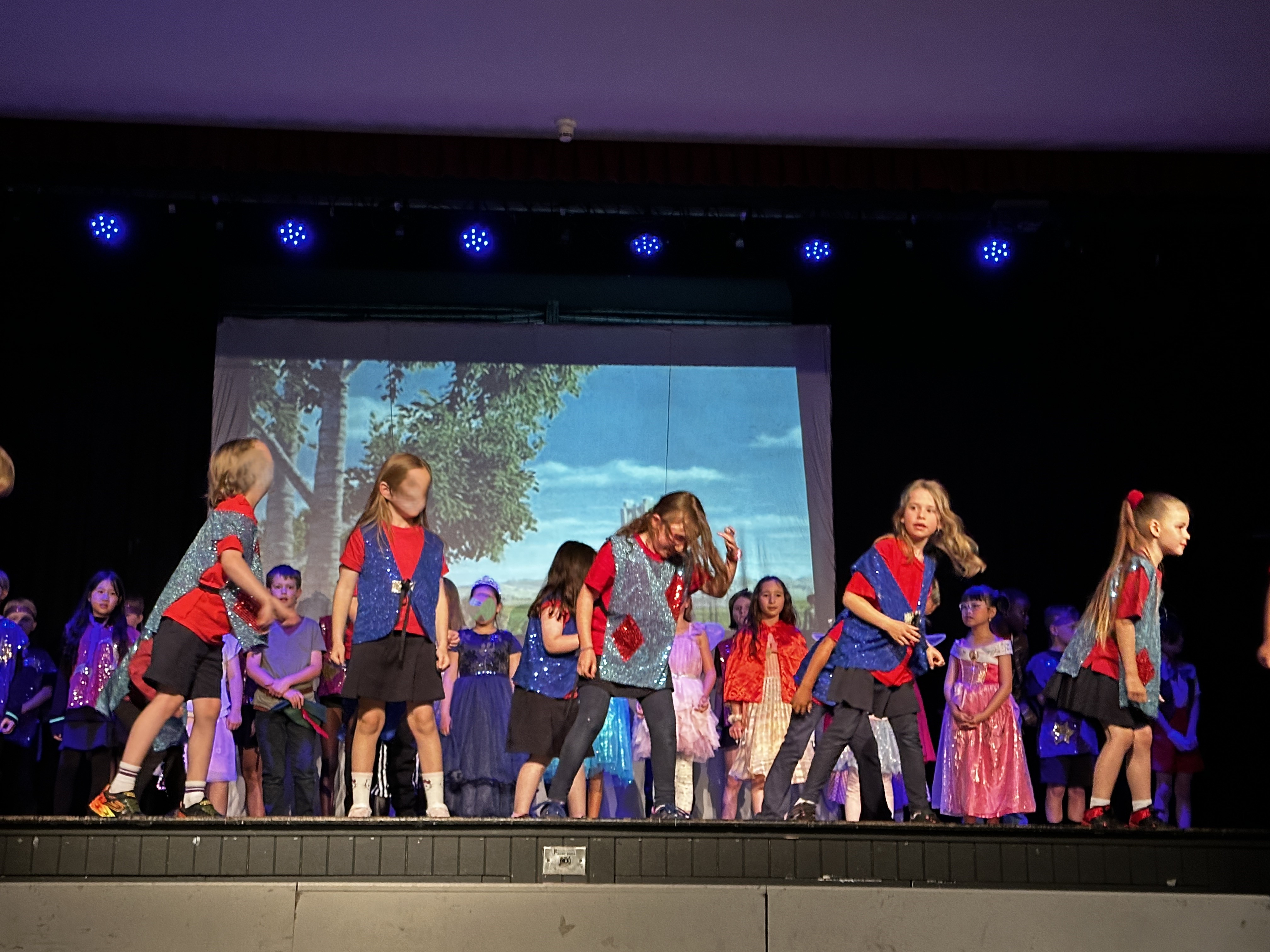
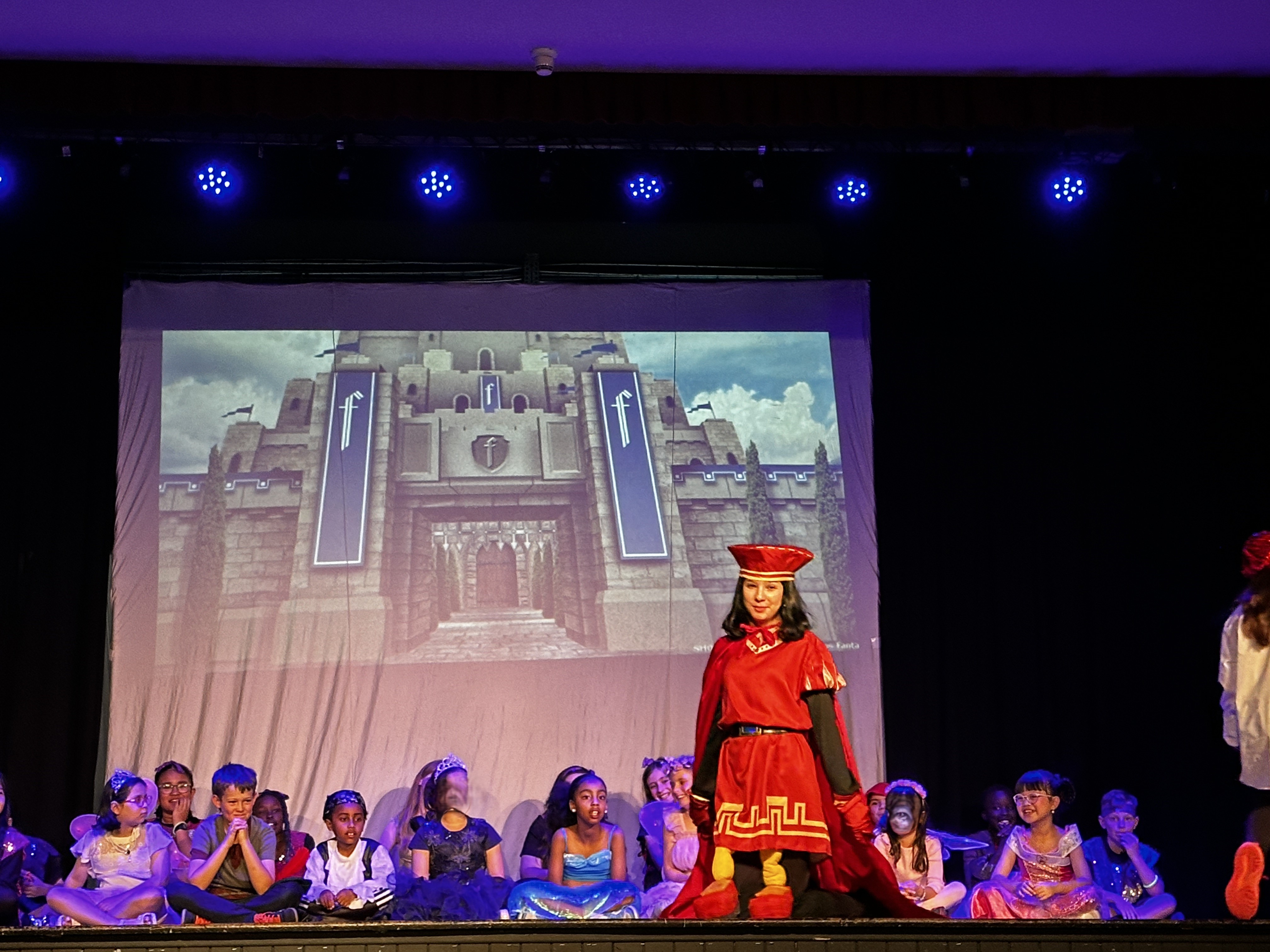
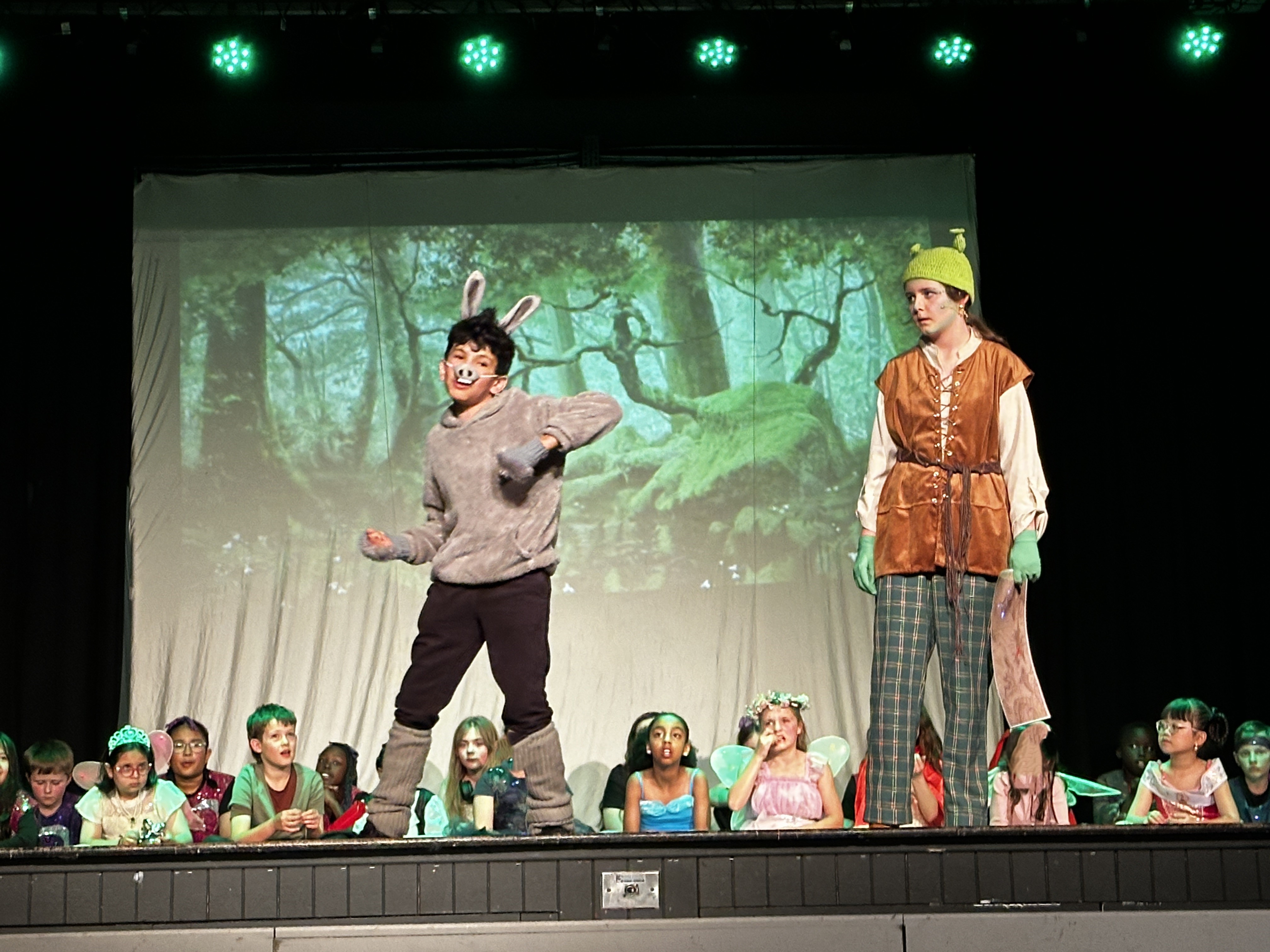
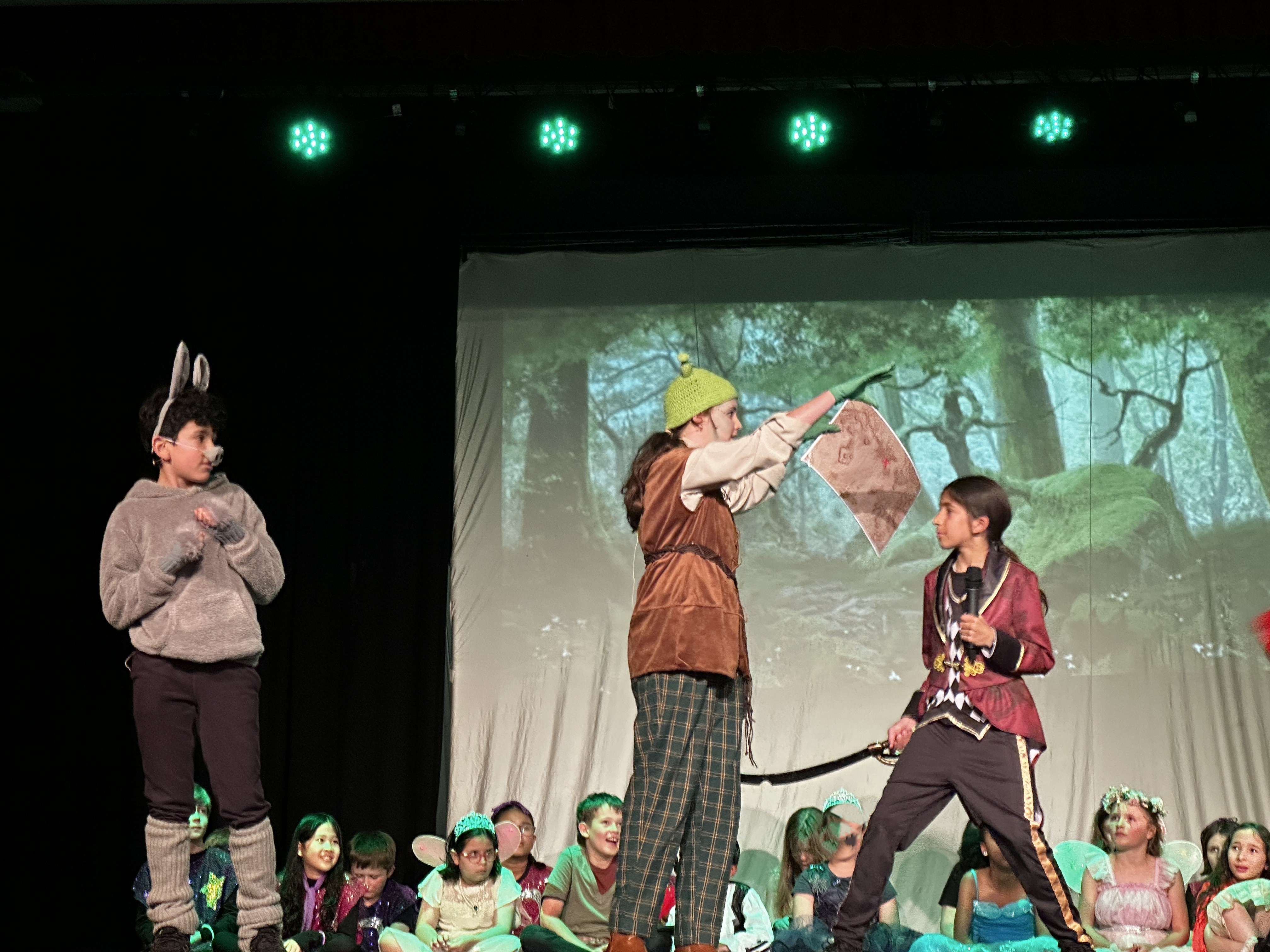
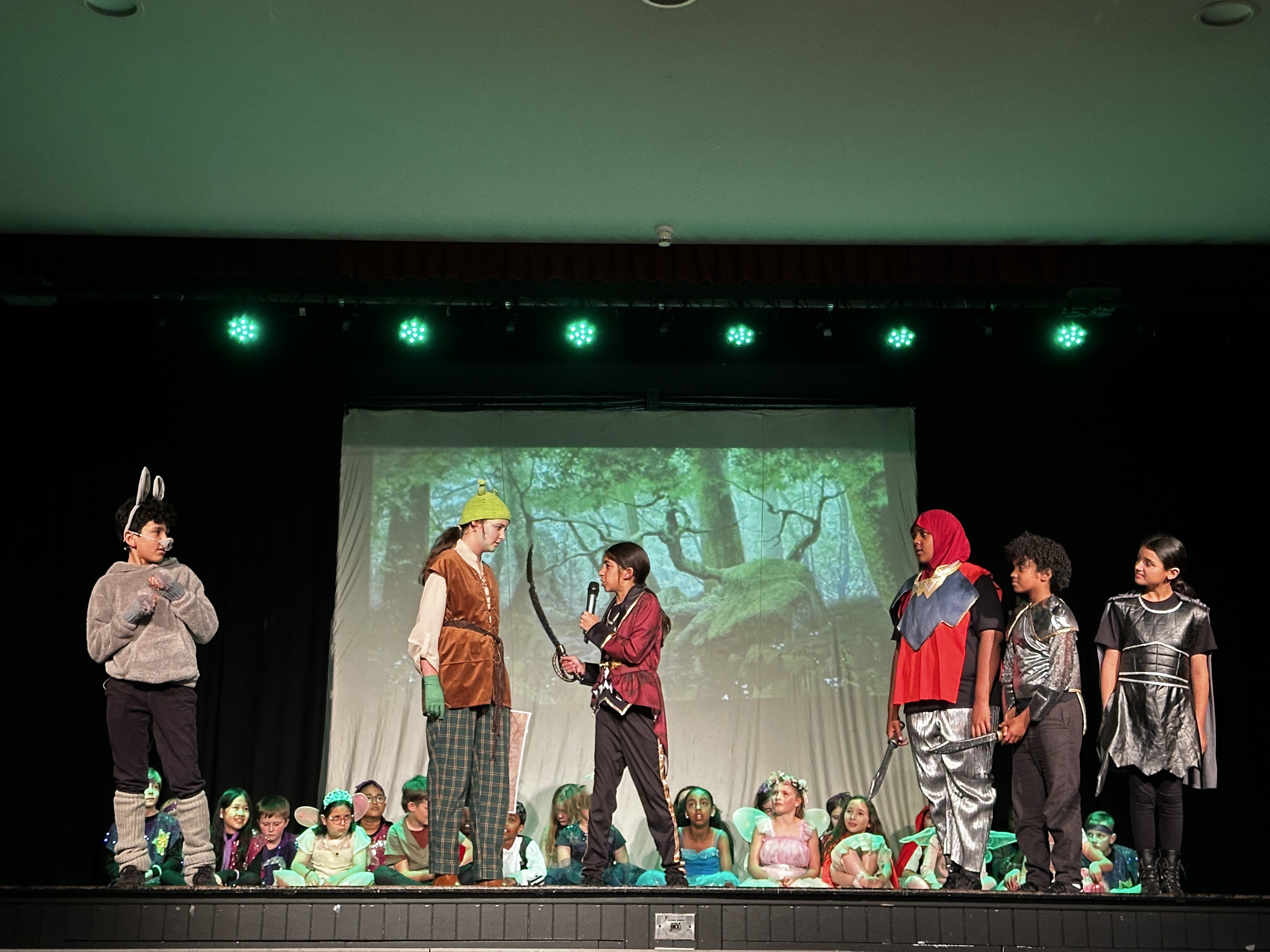
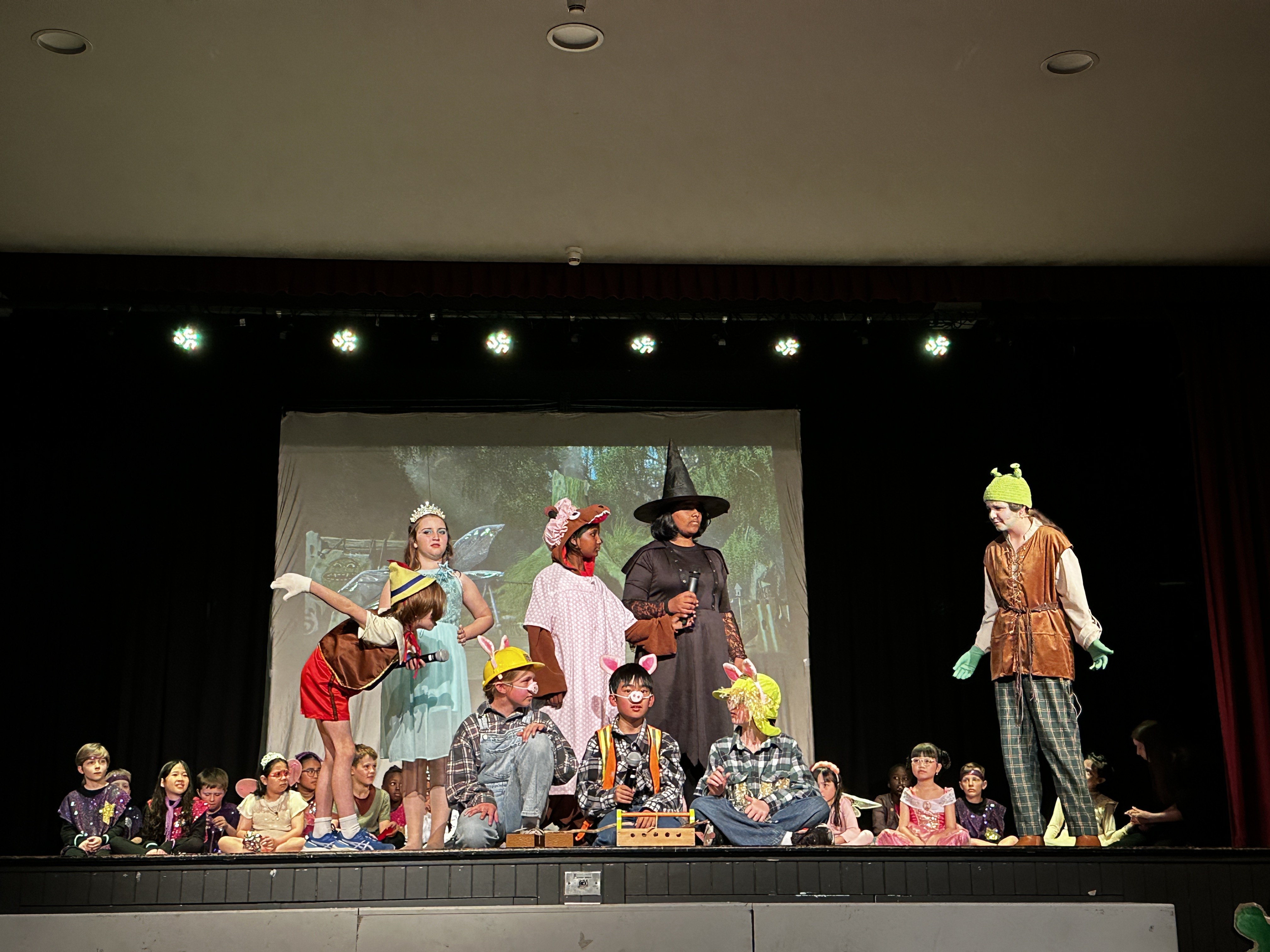
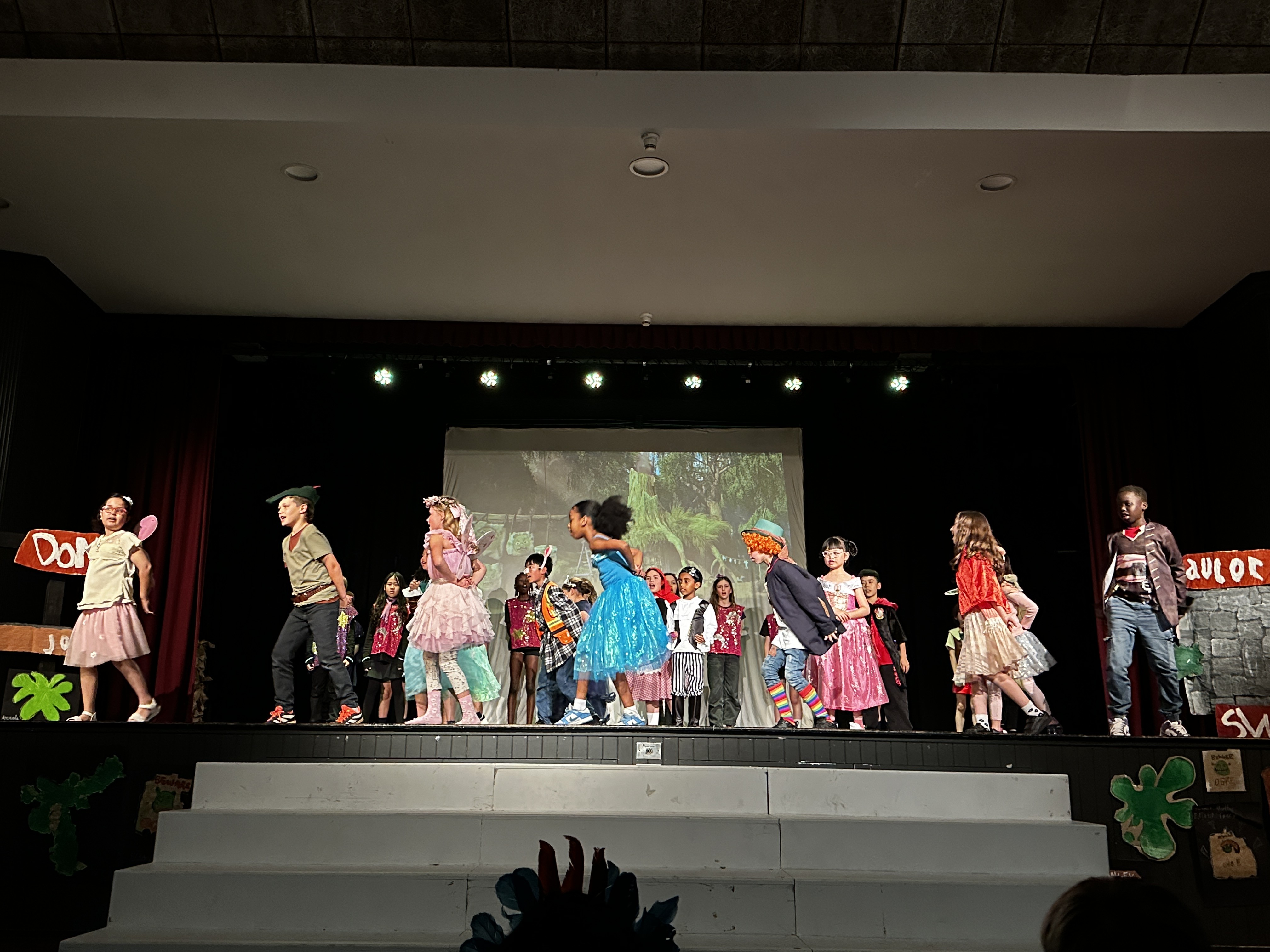
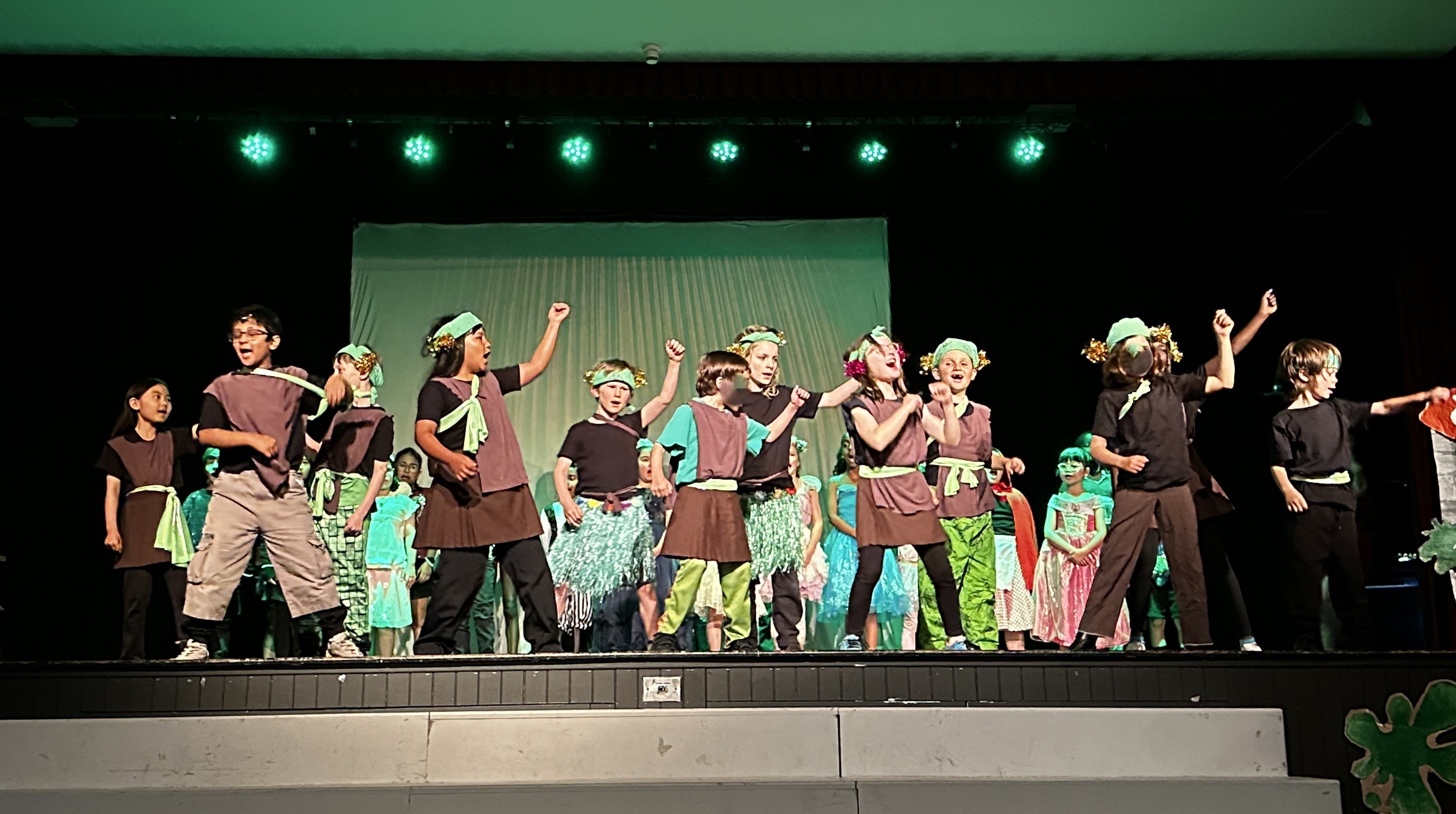
Swamp Diaries
What an amazing night at our production, Swamp Diaries.The performances from all our students were absolutely brilliant, showcasing such talent, enthusiasm, and teamwork on display. A huge thank you to everyone who helped make it a success, and especially to Catherine McGarrity for producing yet another spectacular school production at Windsor Primary School.

PARENTS & FRIENDS
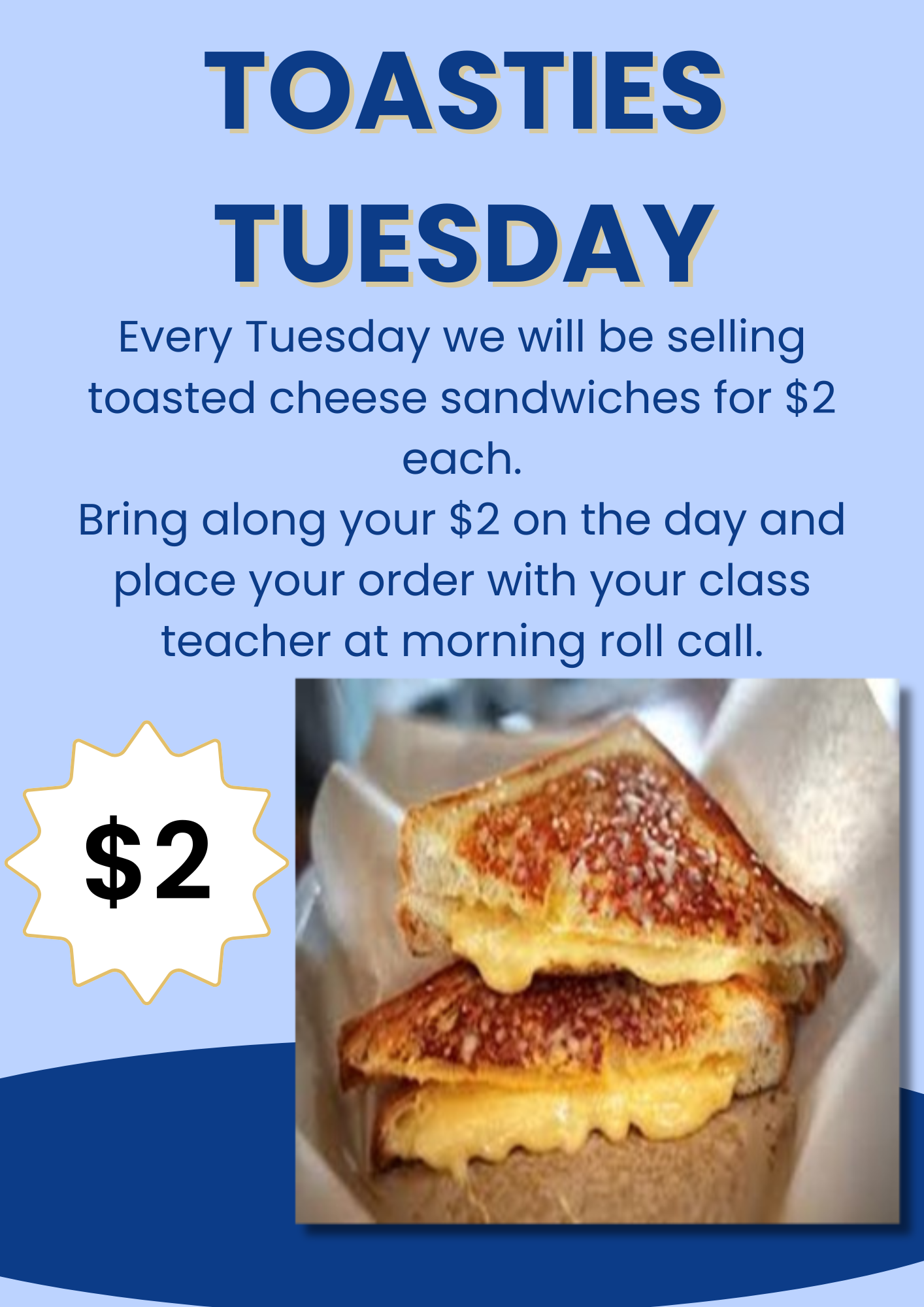
Toasties Tuesday
You can order your cheese toasties for lunch each Tuesday morning. Simply bring along your $2 and give it to your teacher at roll call and the toasties will be delivered to the classrooms at lunchtime.Ice Cream & Icy Pole Fridays – 3:30pm
Ice Cream and Icy Poles will be on sale every Friday from 3:30pm for Term 4! Don’t forget to bring your $2 on Friday, see you at the food tech window!
COMMUNITY NEWS